
Short answer
- My Son Sanctuary charges 150,000 VND for foreign visitors and 100,000 VND for Vietnamese, and that price includes the 2km electric shuttle and a Cham dance performance.
- It opens 07:30 to 17:30 daily.
- It is about 70km from Da Nang and 40km from Hoi An.
- Go at opening.
- There is almost no shade, and the brick towers radiate heat by mid-morning.
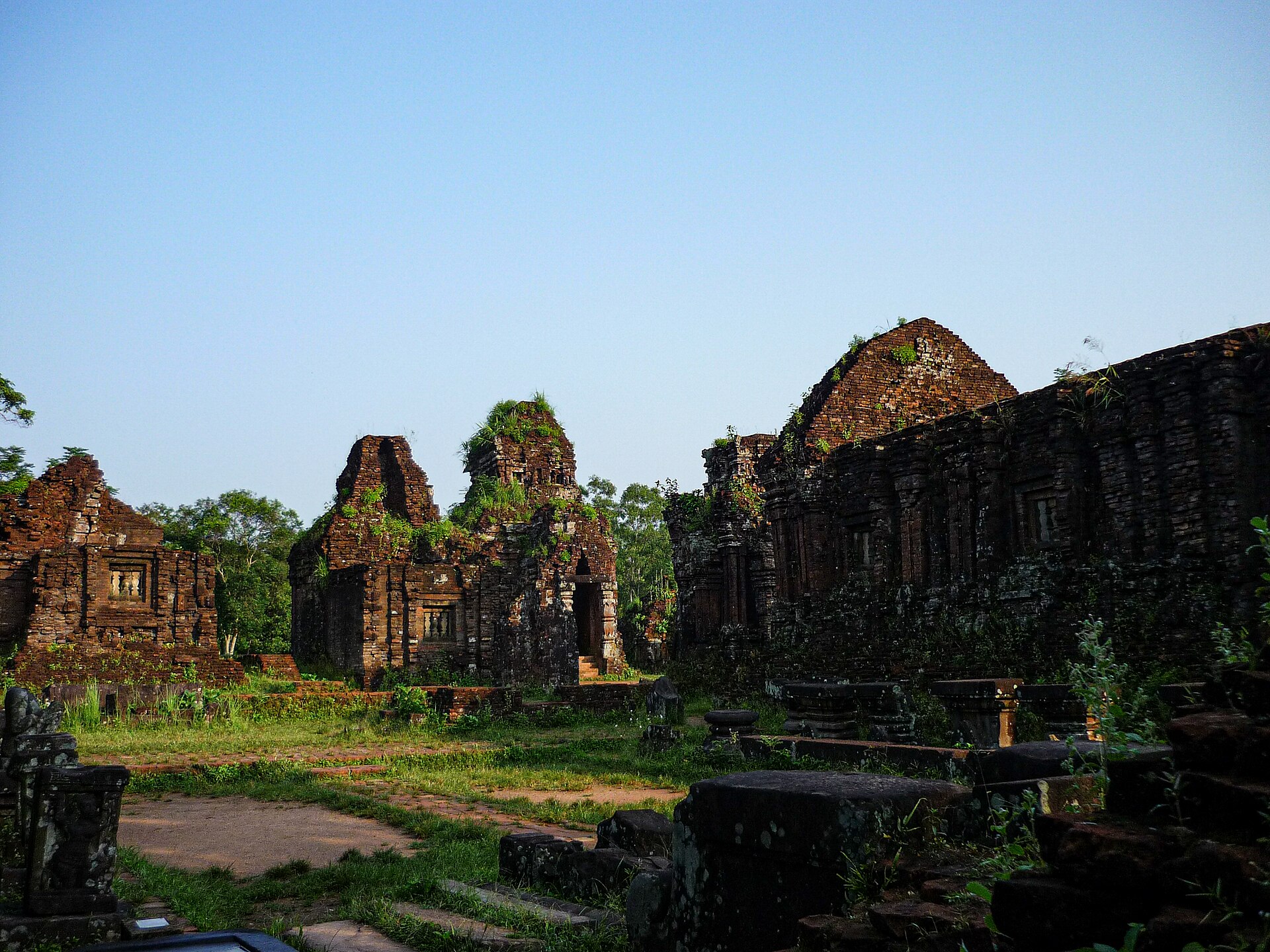
My Son is the ruined temple complex of the Cham kingdom, a UNESCO World Heritage site set in a valley ringed by hills.
It is the sort of place people either love or find underwhelming, and which one you get depends almost entirely on what time you arrive.
What does a ticket cost?
Prices changed on 1 January 2026.

| Visitor | Price |
|---|---|
| Foreign visitors | 150,000 VND |
| Vietnamese visitors | 100,000 VND |
The ticket is not just entry. It includes:
- Admission to the site
- The electric shuttle from the gate to the central temple groups, a 2km ride
- A Cham traditional dance and music performance
That shuttle matters more than it sounds. Walking 2km in open sun before you even reach the ruins would change the character of the visit considerably.
You can buy at the gate or book online in advance, which is worth doing in peak season to skip the queue.
What are the opening hours?
07:30 to 17:30, seven days a week, all year.

The dance performances run at set times during the day.
How do you get there?
| From | Distance | Driving time |
|---|---|---|
| Da Nang | about 70 km | 1h15 to 1h30 |
| Hoi An | about 40 km | about 1 hour |

Most organised tours leave from Hoi An rather than Da Nang, simply because it is closer. If you are based in Da Nang, a private car is the comfortable choice, and a half-day group tour is the cheap one.
Riding a motorbike is possible and takes roughly two hours each way from Da Nang. The last stretch is rural road.
The real problem is not the road but the exposure: you will be in full sun both ways, and then walking a shadeless site at the end of it.
Why does the timing matter so much?
Because of heat, and because of coaches.

The temples sit in a bowl between hills, and the fired Cham brick absorbs and holds heat remarkably well. From around 10:00 the site stops being a place you wander and becomes a place you endure.
Visitors who arrive at midday in June routinely cut their visit short and leave thinking the site was small.
Arrive at 07:30 and you get three things: cool air, low-angle light that throws the brick carvings into relief, and the groups largely to yourself before the Hoi An coaches land.
Late afternoon after 15:30 is the second-best slot. Cooler than midday, but usually busier than early morning.
What is actually there to see?
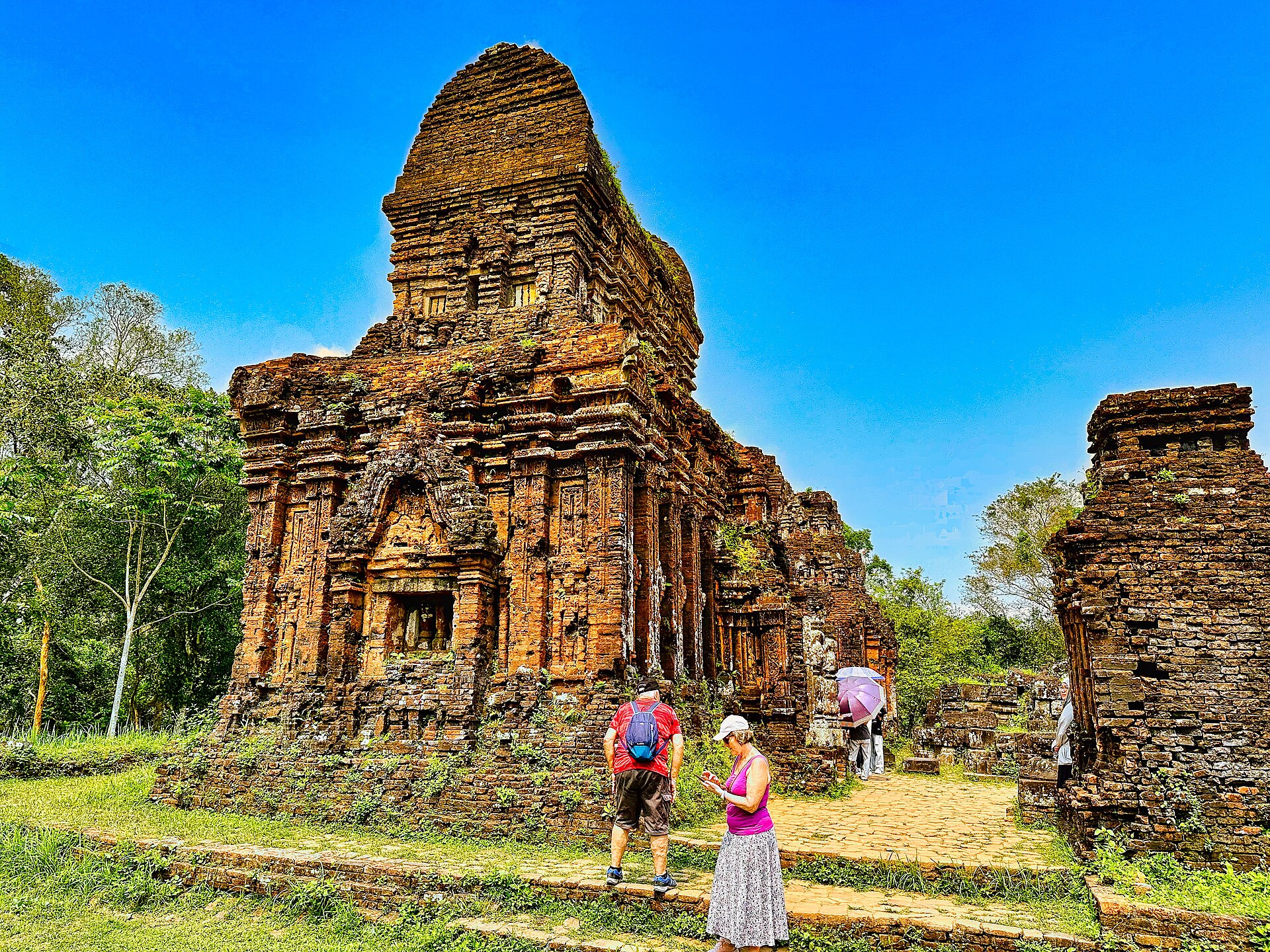
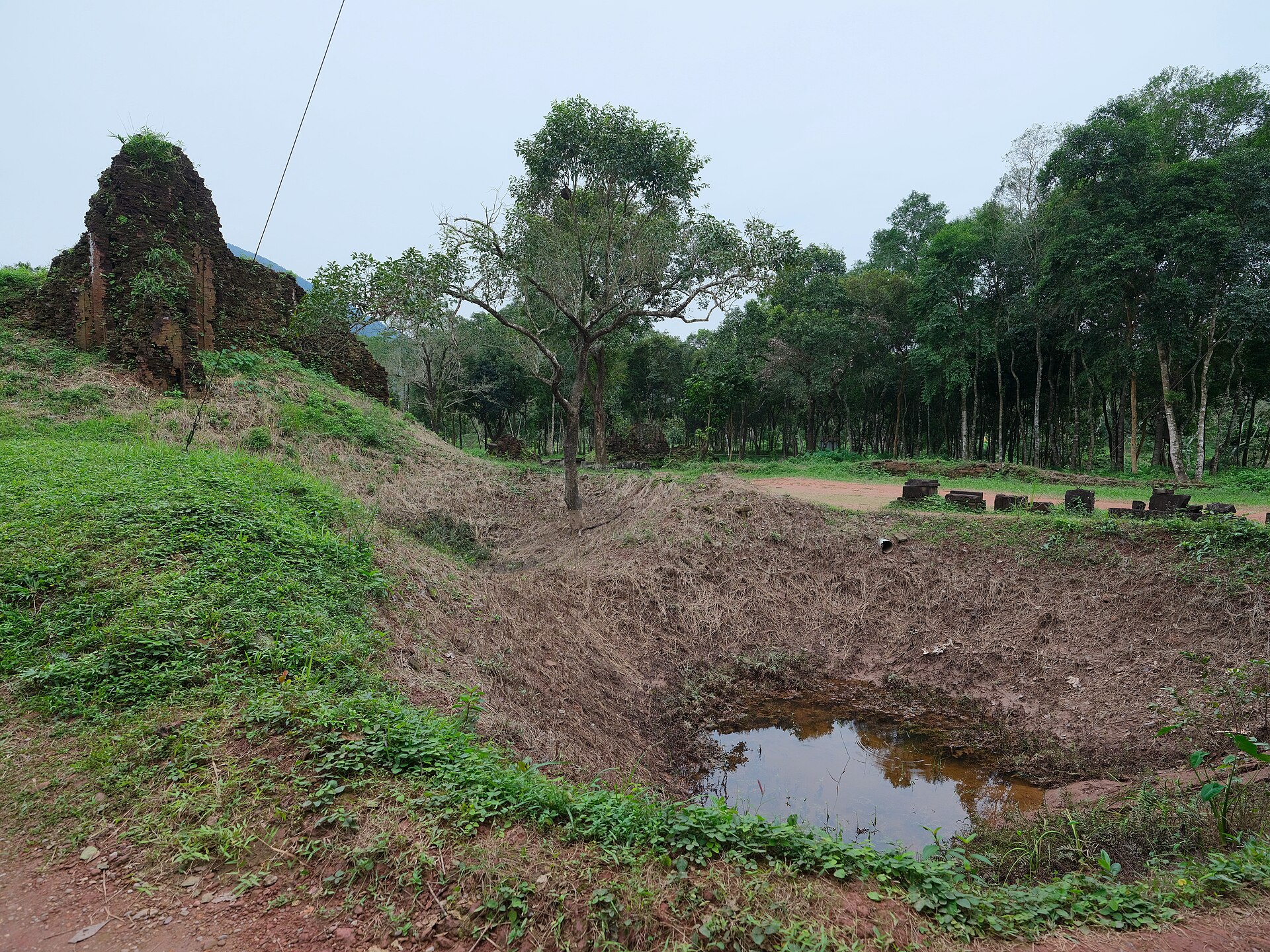
The complex is divided into groups labelled with letters, A through L. Not all survive equally. The site was heavily bombed during the war, and some of what stands today is reconstruction.
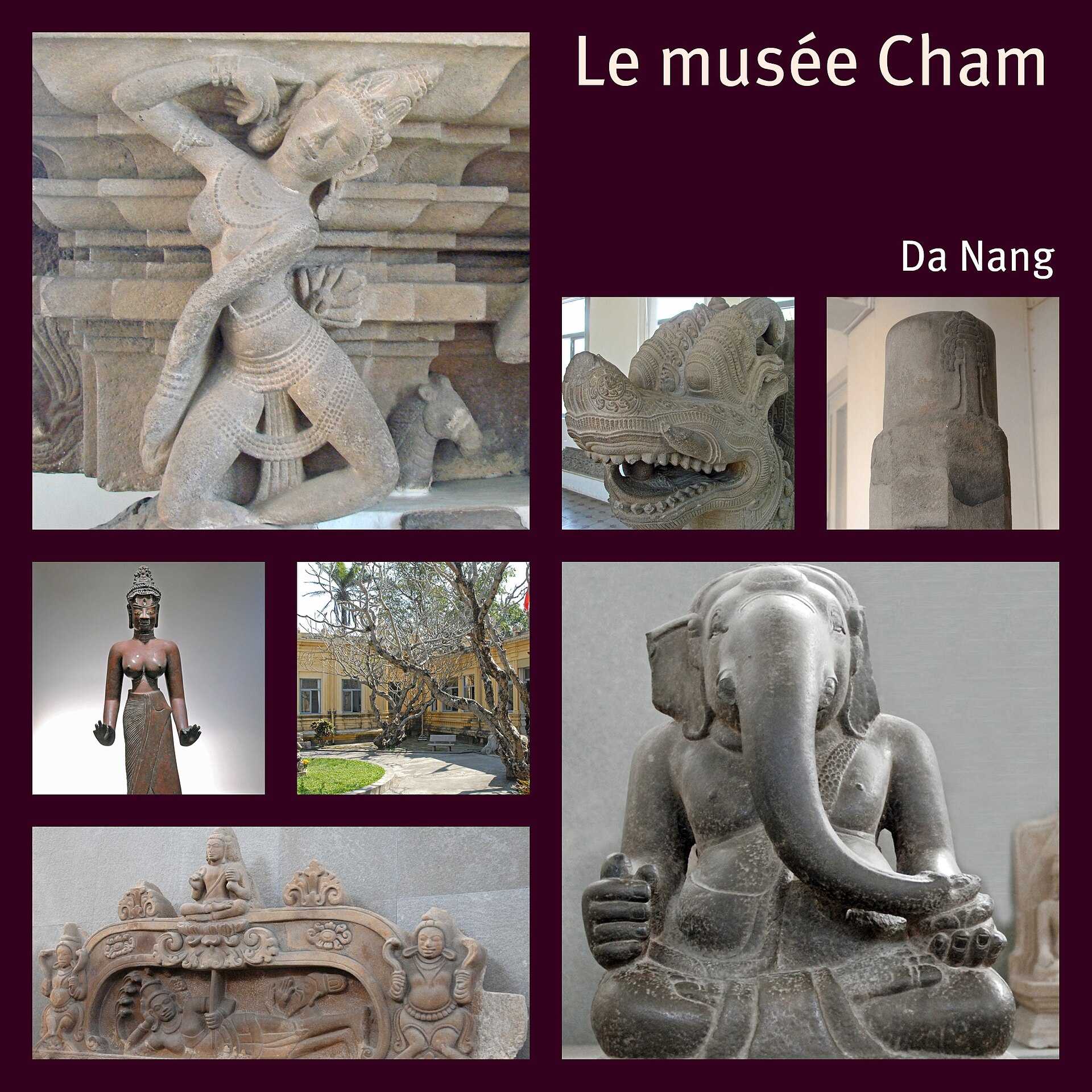

- Groups B, C and D are the best preserved and where you will spend most of your time. Group D houses a display of recovered sculpture.
- Group A once held the largest tower in the complex. Only foundations remain.
- Groups E, F and G are further out, quieter, and in varying states of restoration.
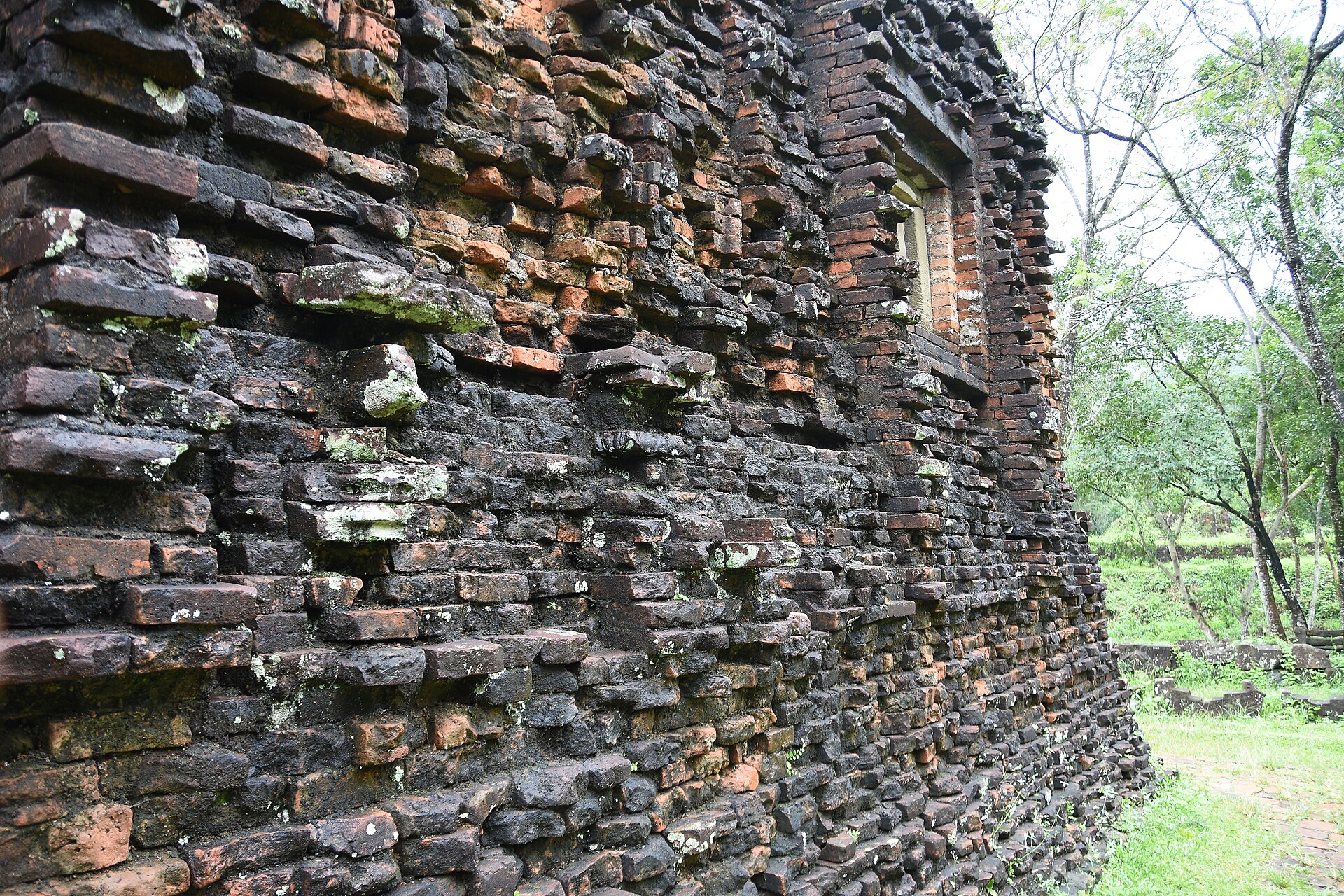
The detail worth knowing before you go, because it changes how you look at the walls: the Cham built these towers from fired brick fitted so tightly that the joints are nearly invisible, without mortar in the sense we normally mean. Exactly how they bonded them is still not fully explained. Restoration teams have spent decades on the question, and modern repairs are often visibly different from the original work, which is itself instructive to spot.
Budget two to three hours including the shuttle, walking between groups, and the performance.
What should you bring?
- A wide-brimmed hat and sunscreen. The single most important item on this list.
- Water. There are stalls near the entrance, not among the temples.
- Proper walking shoes. Brick rubble and dirt paths.
- Covered shoulders and knees for comfort and respect at the temple groups.
- Insect repellent if you are visiting in the wet months.
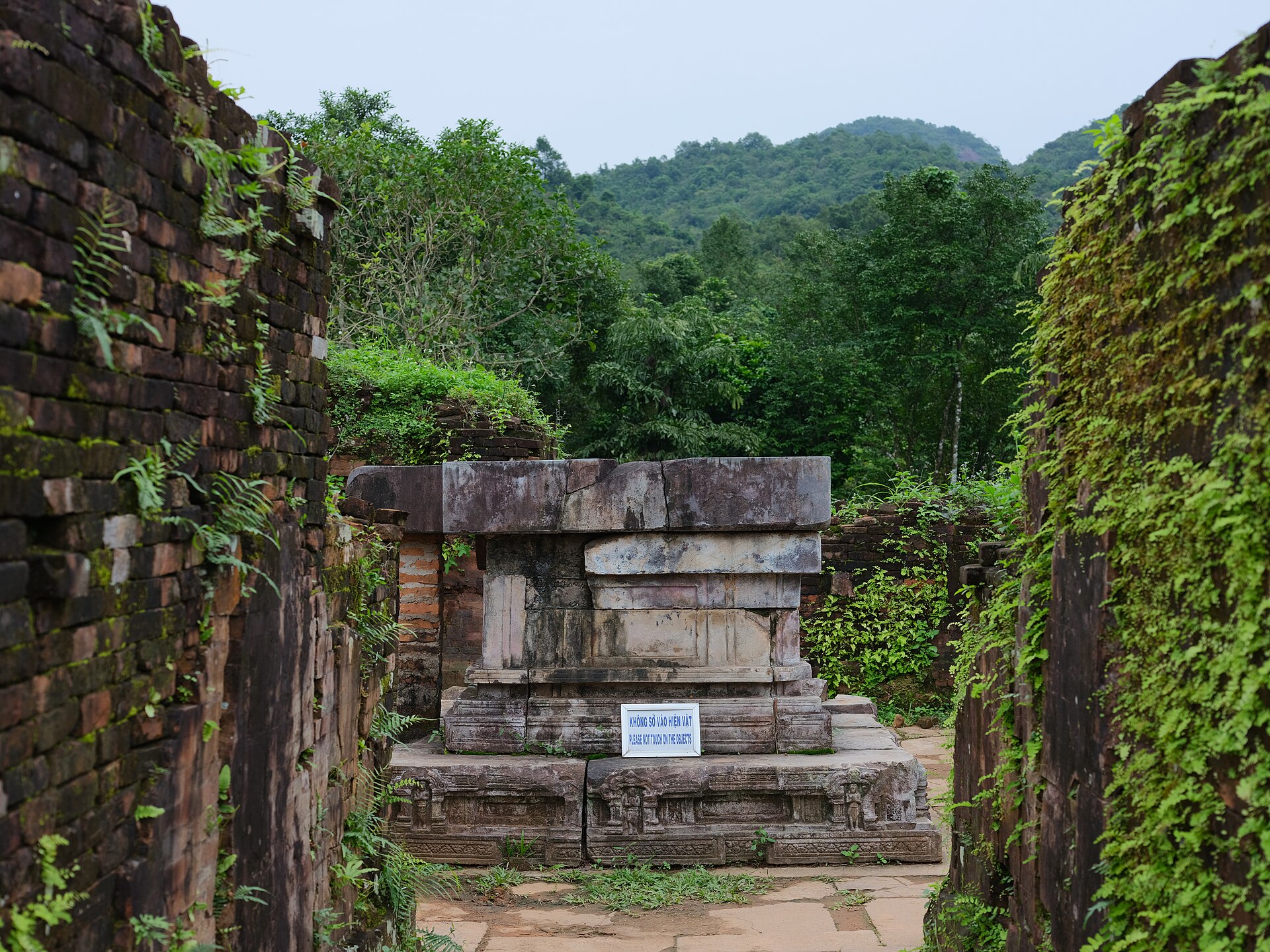

Is it worth it if you have already seen Angkor?
Honest answer: My Son is far smaller and far more ruined than Angkor, and if you are expecting that scale you will be disappointed. What it offers instead is intimacy and context.
You can stand close to the carving, the crowds are a fraction of the size, and the valley setting is genuinely atmospheric in the early morning.

If your trip includes both, see My Son first. It reads better as a prelude than as an afterthought.
Frequently asked questions
How much is a My Son ticket? 150,000 VND for foreign visitors, 100,000 VND for Vietnamese, as of 1 January 2026. It includes the shuttle and the dance performance.
What time does My Son open? 07:30 to 17:30, daily, year round.
How far is My Son from Da Nang? About 70km, or 1h15 to 1h30 by car. From Hoi An it is about 40km, roughly an hour.
How long do you need at My Son? Two to three hours on site. A half-day trip from Hoi An, most of a morning from Da Nang.
Is the shuttle included in the ticket? Yes. The 2km electric shuttle from the gate to the temple groups is covered by your admission.
When is the best time of day to visit? Opening time, 07:30. The site has almost no shade and the coaches arrive mid-morning.
Can you visit My Son and Hoi An in the same day? Yes, and it is the most common pairing. My Son in the morning, Hoi An old town in the late afternoon.
—
Sources (accessed 29 August 2026):