
Short answer
- Hai Van Pass runs 21km over the mountains between Da Nang and Hue, topping out at 496m.
- Riding it from central Da Nang takes about an hour without stops.
- The road itself is free, but since 2 June 2026 the Hai Van Quan fortress at the summit charges 70,000 VND per person.
- Motorbikes are banned from the Hai Van Tunnel, so if you are on two wheels the pass is your only route north.
Most guides to this road were written before June 2026 and are now wrong about one thing that will cost you money at the gate. Here is the current picture, plus the practical detail you need to actually ride it.
Where is Hai Van Pass and how long is it?
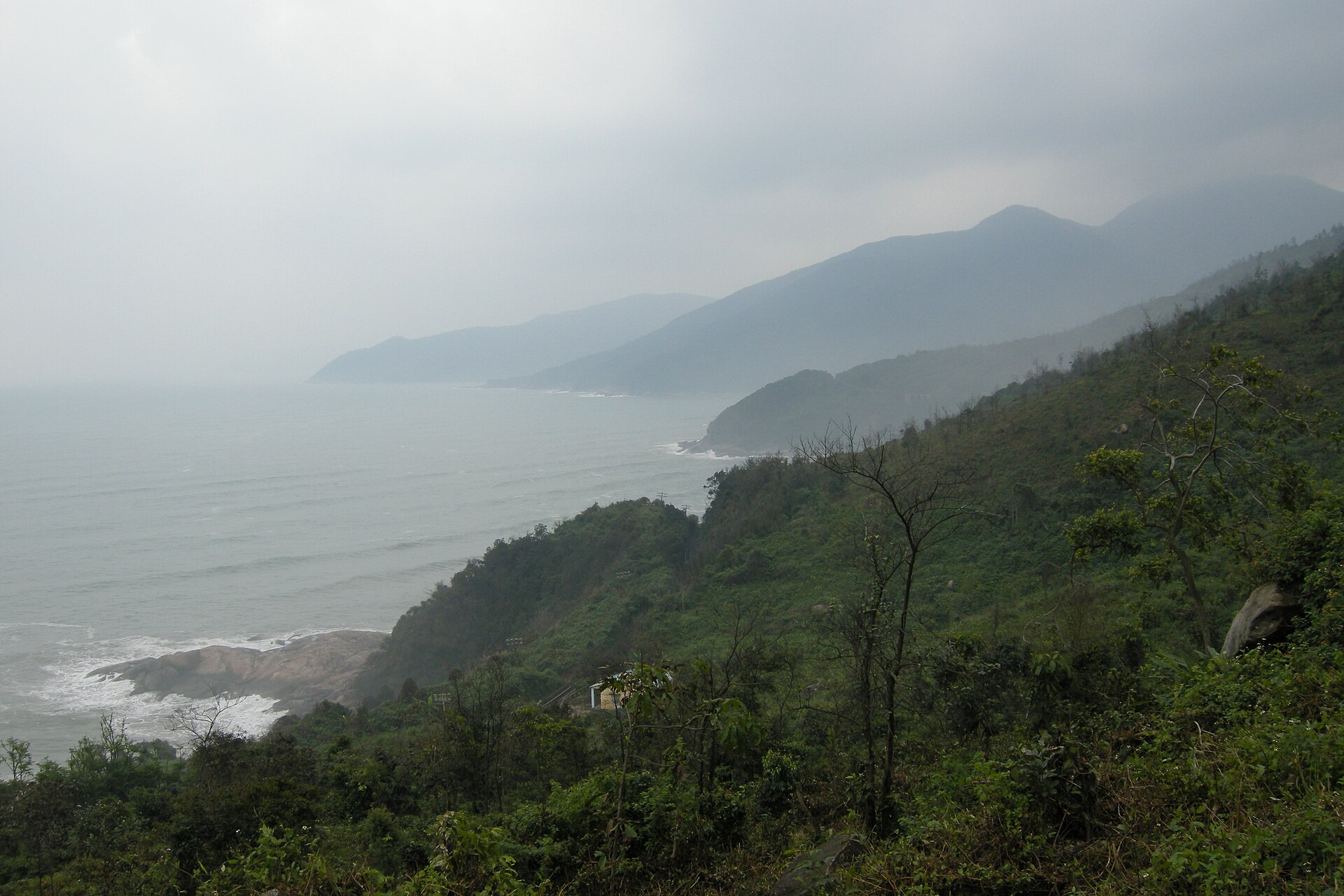
The pass crosses the Bach Ma range at the boundary between Da Nang and Hue. This is where the Truong Son mountains run straight into the sea, forming a natural wall across the middle of Vietnam.

| Detail | Figure |
|---|---|
| Length of the pass | about 21 km |
| Highest point | 496 m above sea level |
| Distance from central Da Nang | about 20 km |
| Distance to Hue | about 80 km |
| Toll on the pass road | none |
The name means “sea cloud pass”, and it is literal. On one side you look down at the bay, on the other you often ride straight into cloud sitting on the tarmac. That wall of rock is also why the weather differs sharply between the two ends.
Sunshine in Da Nang and rain in Hue on the same afternoon is completely normal.
Should you take the pass or the tunnel?
This decides your transport, so settle it first.

Hai Van Tunnel 1 is 6.28km long and opened in 2005. A second parallel tunnel opened in 2021 to ease congestion. The tunnel is far quicker and weatherproof, and you see nothing but concrete.
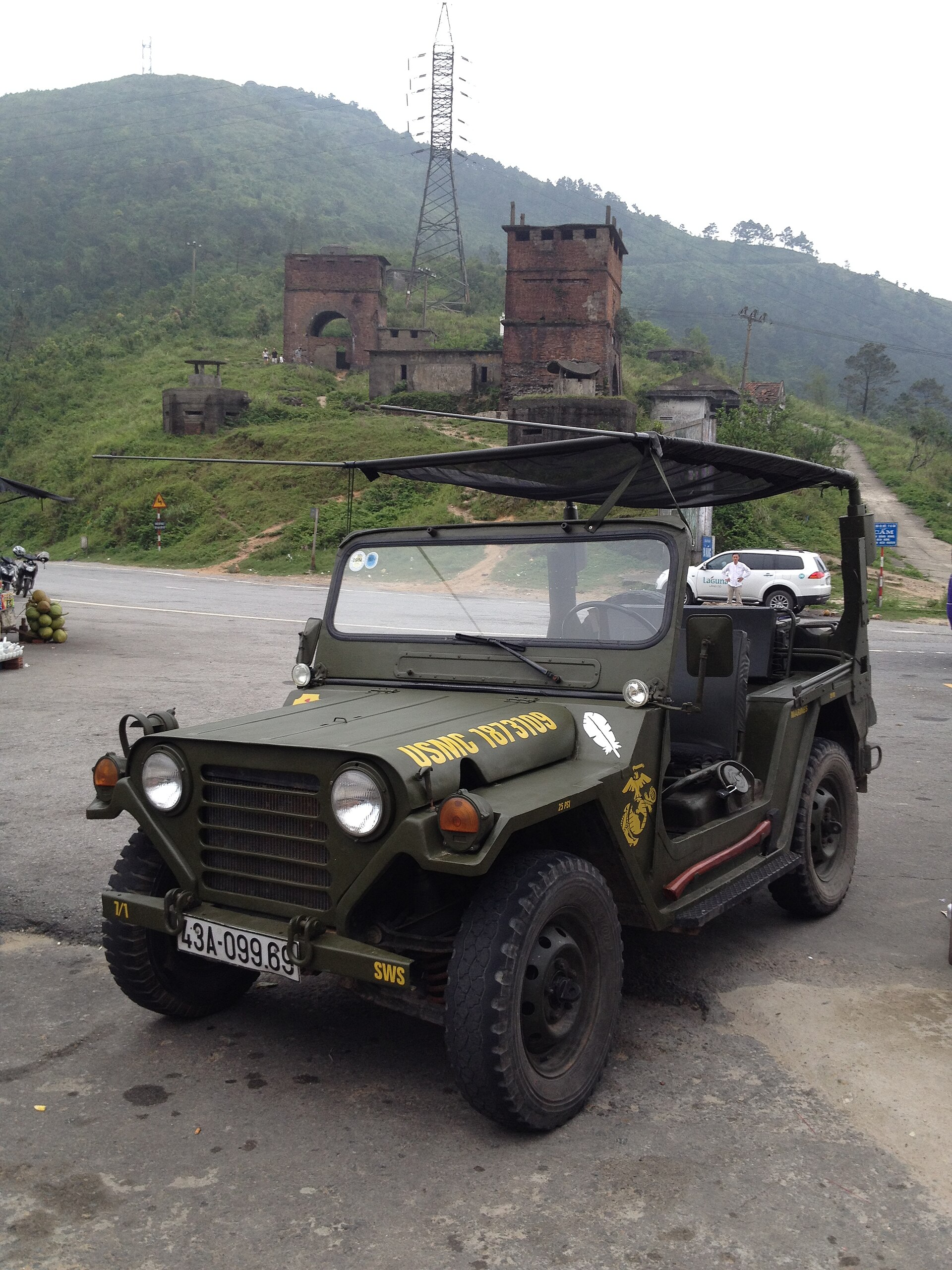
The part that matters: motorbikes are not allowed through the tunnel. If you are riding, the pass is your only option. Riders who want to skip the pass have to pay a transfer service to truck the bike through.
| Pass road | Tunnel | |
|---|---|---|
| Motorbike | yes | no |
| Car | yes | yes, tolled |
| Crossing time | 45 to 60 minutes | about 10 minutes |
| Views | Lang Co bay, coastline, cloud | none |
| Weather risk | fog, wet tarmac | none |
Car toll rates vary by vehicle class and have been revised several times.
Do you now have to pay at the top?
Yes, and this is the change most articles have missed.
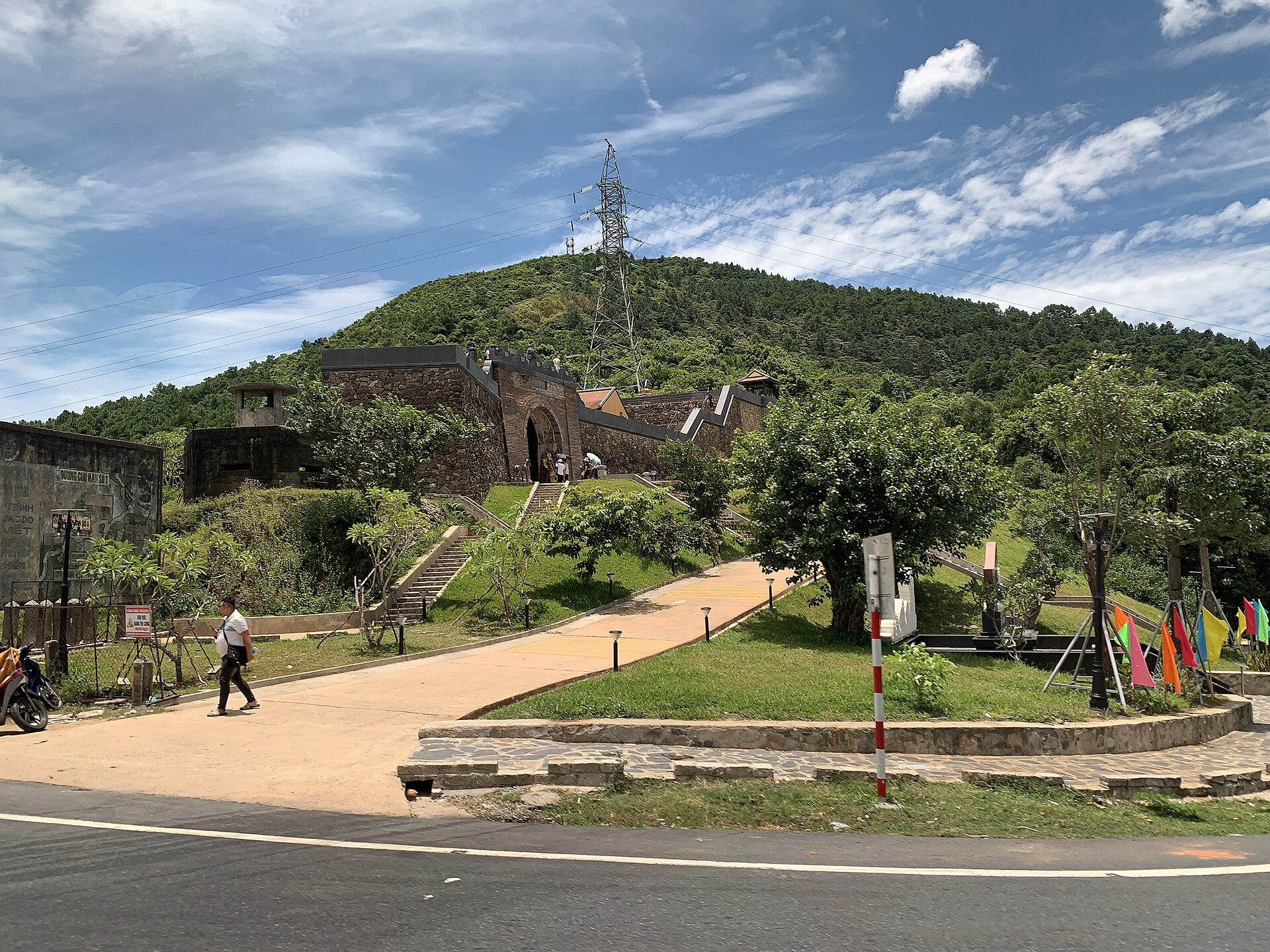

Hai Van Quan is the Nguyen dynasty gate complex sitting on the summit. Hue and Da Nang jointly funded a restoration costing over 42 billion VND, and the site reopened to visitors on 1 August 2024.
For nearly two years after that, entry was free.
From 2 June 2026 it is ticketed:
| Visitor | Price |
|---|---|
| General admission, Vietnamese and foreign alike | 70,000 VND per person per visit |
| Children under 1.2m tall | free |
| Hue and Da Nang residents, and policy categories | 50% discount |
The rate is the same for locals and foreigners, and is published as running through 31 December 2028. Opening hours are 07:00 to 17:30 daily.
Worth knowing if you are on a budget: you can still ride the whole pass, pull over at the viewpoints and take your photos without paying anything. The 70,000 VND only applies if you go inside the fortress grounds.
How long does the ride take?
Time depends on how often you stop, not on how fast you ride.

- Da Nang to the foot of the pass: about 20km of flat road, roughly 30 minutes
- Foot to summit: about 10km of switchbacks, 25 to 30 minutes at a sane pace
- Da Nang to summit, no stops: about 1 hour
- Da Nang to Hue over the pass: 3 to 3.5 hours with a few photo stops
- Da Nang to Hue through the tunnel: 2 to 2.5 hours
For an out-and-back from Da Nang, budget 3 to 4 hours including stops. Do not try to add Hue to the same day on a motorbike. Riding back over the pass late in the afternoon, tired, in gathering fog is where this road catches people out.
What are the options if you do not want to ride yourself?
Four ways people usually do it, in rough order of cost:
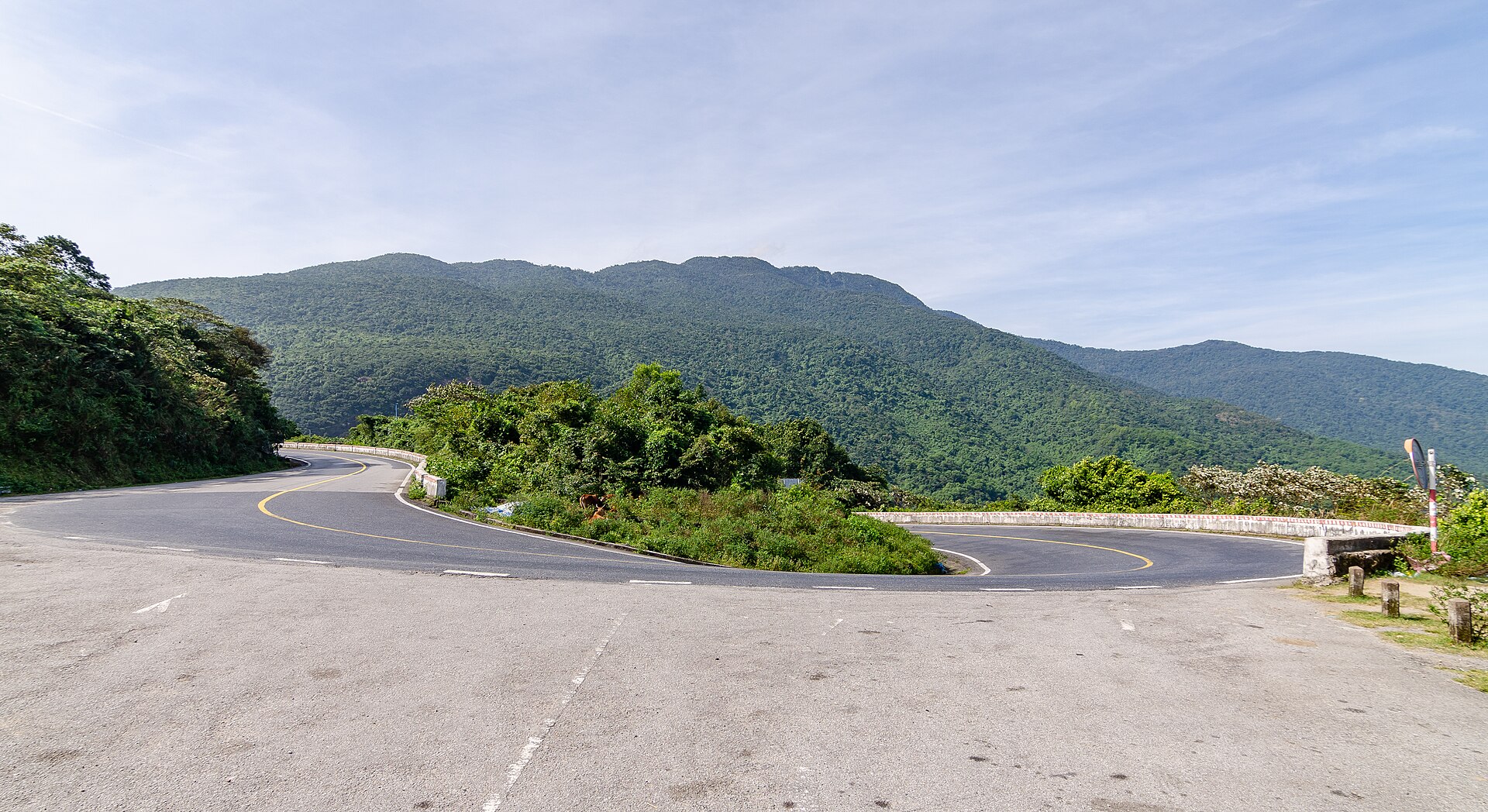

- Rent your own motorbike in Da Nang. Cheapest and most flexible. Take a semi-automatic rather than a scooter if you are not confident, because engine braking matters on the descent.
- Easy Rider. You ride pillion behind a local driver who handles the road while you look at the view. Common on the Da Nang to Hue transfer, and your luggage goes with the driver.
- Private car with driver. The comfortable option, and the driver can take the pass rather than the tunnel if you ask. Say so when booking, otherwise most will default to the tunnel.
- Train between Da Nang and Hue. The railway hugs the coast below the road and is genuinely spectacular in its own right. It does not stop at the summit, so you get the coastline but not the fortress.
Where should you stop?
Four places earn a stop:
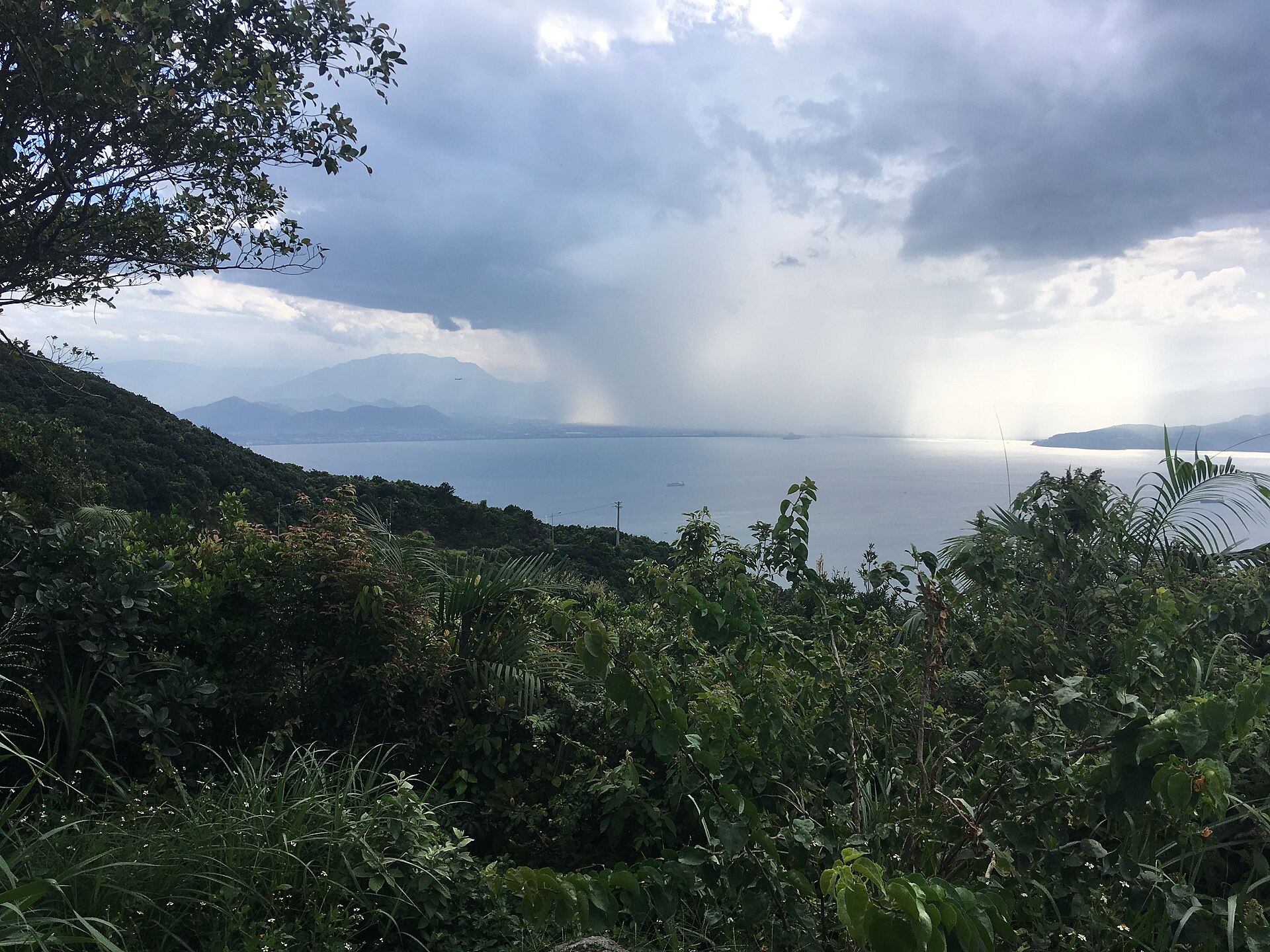

- The switchbacks on the Da Nang side. Look back for the Son Tra peninsula and the city beaches. Best in the morning when the light comes from the east.
- The summit and Hai Van Quan. The 496m high point, with the old stone gate and wartime bunkers. It is also the only place on the pass with drinks, food and toilets.
- The Hue side, looking down at Lang Co bay. This is the view in almost every photograph you have seen of this road: the curved sandbar, the still lagoon, green mountains behind.
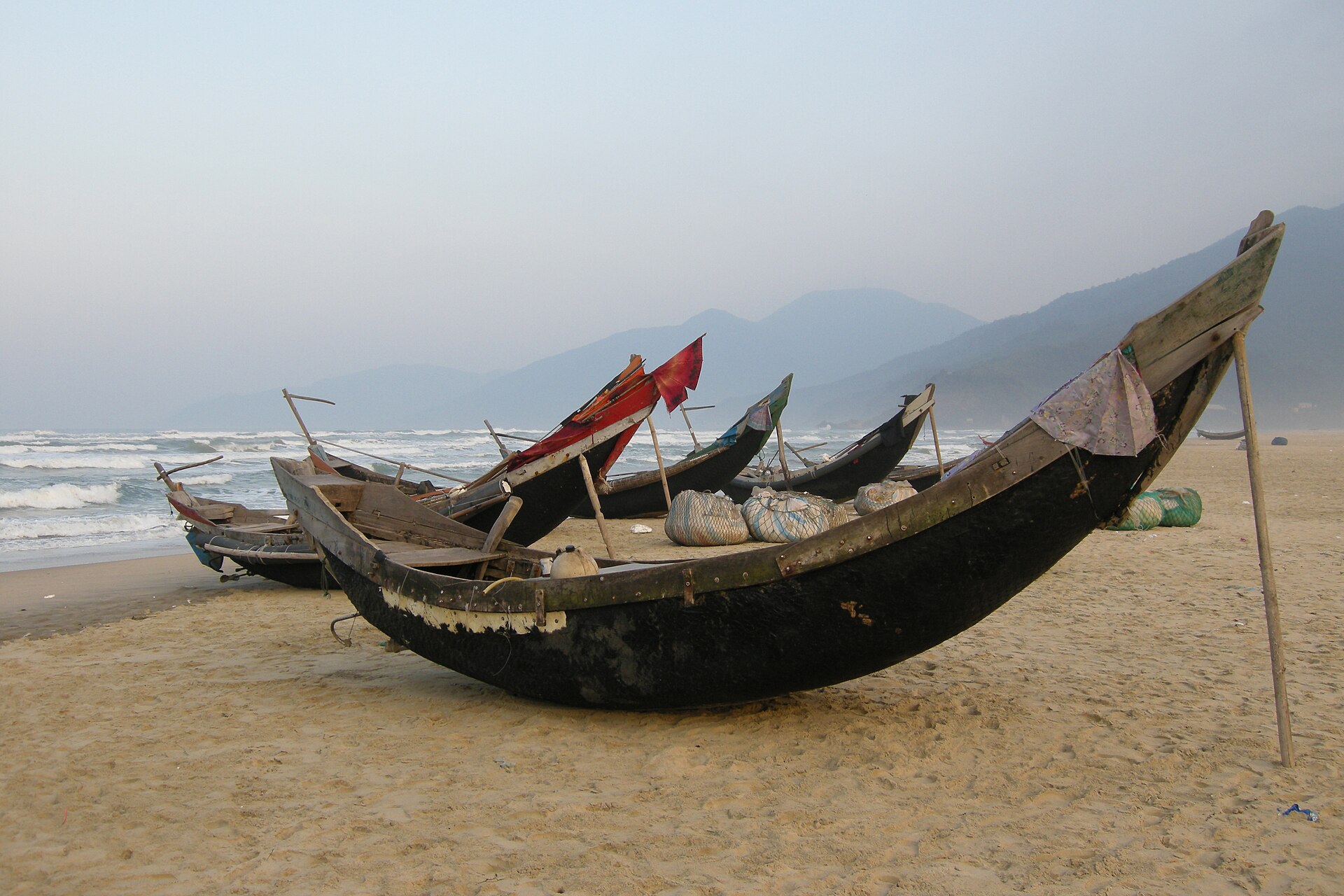
- Lang Co beach at the northern foot. If you have time, drop all the way down, eat seafood at the fishing village, then turn back.
Expect drinks at the summit to cost more than in town. That is true of every high viewpoint anywhere. Carry water if it bothers you.
When is the best time of day?
Between 07:00 and 09:00 is best. Softer light, thinner cloud, and the trucks have not built up yet. Morning light also works in your favour shooting towards Lang Co.

Avoid roughly 11:00 to 14:00. Harsh sun, hot tarmac, and the cloud usually burns off entirely, which flattens the view.
After 16:30 the light is beautiful but the risk goes up. Fog arrives quickly, and a late return means riding the descent in the dark.
Seasonally, February to August is the settled window. September to December is the central Vietnam rainy season, when the road stays wet and fog can cut visibility to a few dozen metres.
Is Hai Van Pass dangerous?
Not if you ride slowly and pay attention. Four things to know first:
- Fog arrives fast near the top. Clear sunshine can become under 20m visibility in a couple of minutes. If it closes in, put your lights on, hold the right-hand line, slow down, and do not stop in the carriageway.
- Trucks and coaches still use the pass. They take corners wide. Do not cut blind bends and do not overtake into them.
- Motorbike brakes overheat on a long descent. Use a low gear and let the engine hold you back rather than dragging the brakes the whole way down.
- There is no fuel station on the pass. Fill up before you start.
If you have never ridden a mountain road, this is not the place to learn on a fully loaded automatic scooter with a pillion passenger.
Frequently asked questions
Can motorbikes go through the Hai Van Tunnel? No. Two-wheelers are banned from the tunnel and must use the pass. Transfer services will truck your bike through if you would rather not ride it.
How much is the Hai Van Quan ticket? 70,000 VND per person per visit as of 2 June 2026, the same for Vietnamese and foreign visitors. Children under 1.2m go free and Hue or Da Nang residents pay half.
Is there a toll on the pass road itself? No. The pass is free. Only the tunnel is tolled, and only the Hai Van Quan site sells admission tickets.
How long is Hai Van Pass? About 21km, peaking at 496m above sea level.
Can I do Hai Van Pass as a day trip from Da Nang? Yes. Allow 3 to 4 hours out and back with stops. Adding Hue on the same day by motorbike is not advisable.
Is it worth doing in the rainy season? On a motorbike, no. From September to December expect fog and wet tarmac. If you need to cross to Hue in those months, take a car through the tunnel.
—
Sources (accessed 29 August 2026):